
-
Call us now
+918178880932 -
-
Mon - Satday
09.00am to 18.00pm

Full Endoscopic lumbar discectomy
A minimally invasive procedure that removes herniated disc material causing nerve compression in the lower back. This approach uses small incisions and advanced endoscopic technology, allowing for quicker recovery, reduced post-operative pain, and minimal tissue damage compared to traditional open surgery.
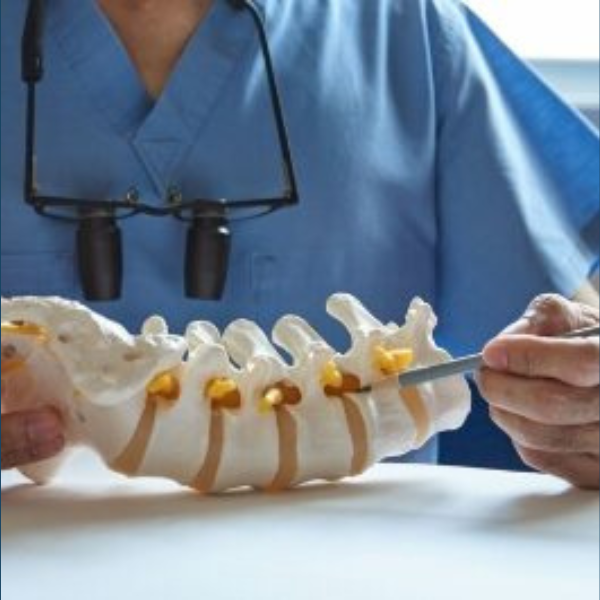
Full Endoscopic Annuloplasty
Annuloplasty involves repairing or removing damaged sections of the annulus (outer layer) of a spinal disc to address chronic back pain and disc-related issues. The endoscopic approach enables targeted treatment with minimal disruption to surrounding tissues, providing patients with faster recovery times.

Full Endoscopic rhizotomy
This minimally invasive procedure targets specific nerves in the spine that are causing chronic pain. By using an endoscope, Dr. Nimish precisely severs or cauterizes problematic nerve endings, providing lasting pain relief for conditions such as facet joint syndrome without the need for open surgery.
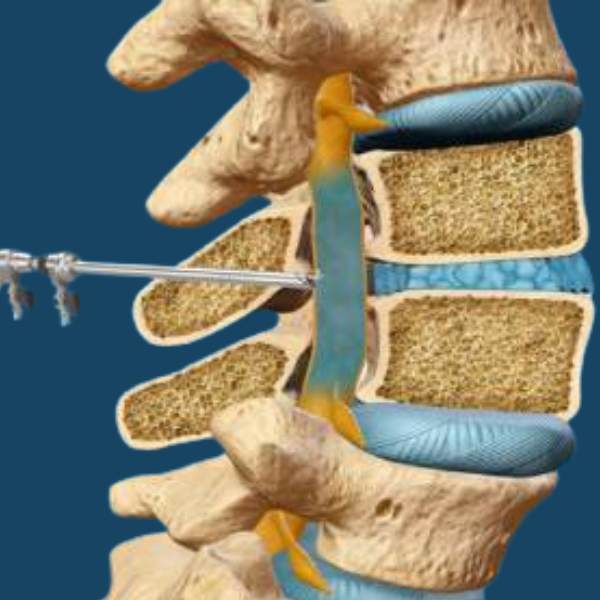
Full Endoscopic lumbar canal stenosis decompression
This technique is used to relieve pressure on spinal nerves caused by narrowing (stenosis) in the lumbar spine canal. The procedure uses an endoscope to access and remove bone or soft tissue pressing on the nerves, helping alleviate symptoms like pain, numbness, and weakness in the legs.
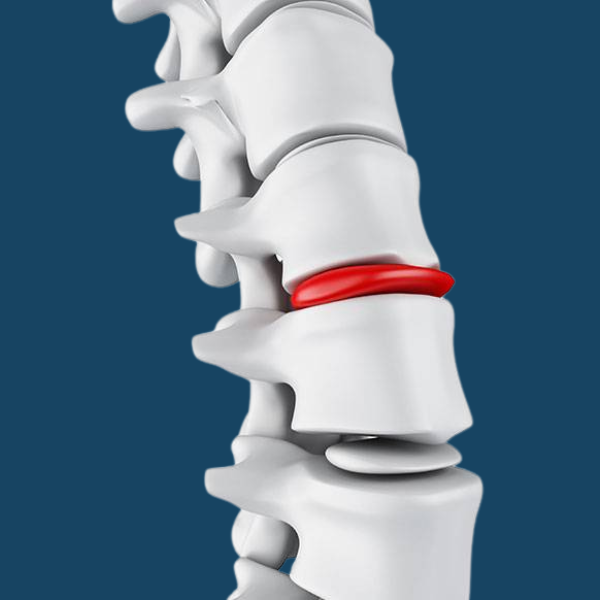
Full Endoscopic debridement of discitis
Discitis, an infection in the spinal disc, can cause severe back pain and mobility issues. Endoscopic debridement involves removing infected tissue from the disc space, providing relief while reducing infection risk. This less invasive technique minimizes scarring and promotes a faster return to daily activities.
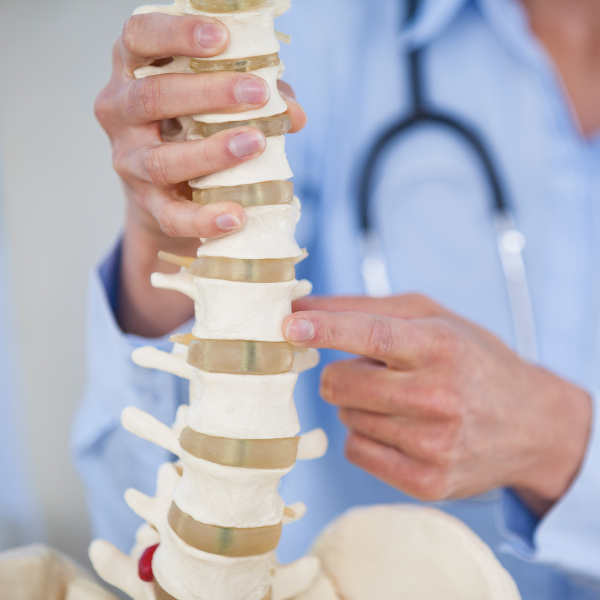
Full Endoscopic lateral recess stenosis decompression
For patients experiencing nerve compression in the lateral recess of the spine, this procedure removes tissue causing the compression. Using a full endoscopic approach reduces the surgical footprint and allows for precise decompression, alleviating pain, numbness, and tingling without extensive recovery.