
-
Call us now
+918178880932 -
-
Mon - Satday
09.00am to 18.00pm

Low Back Pain
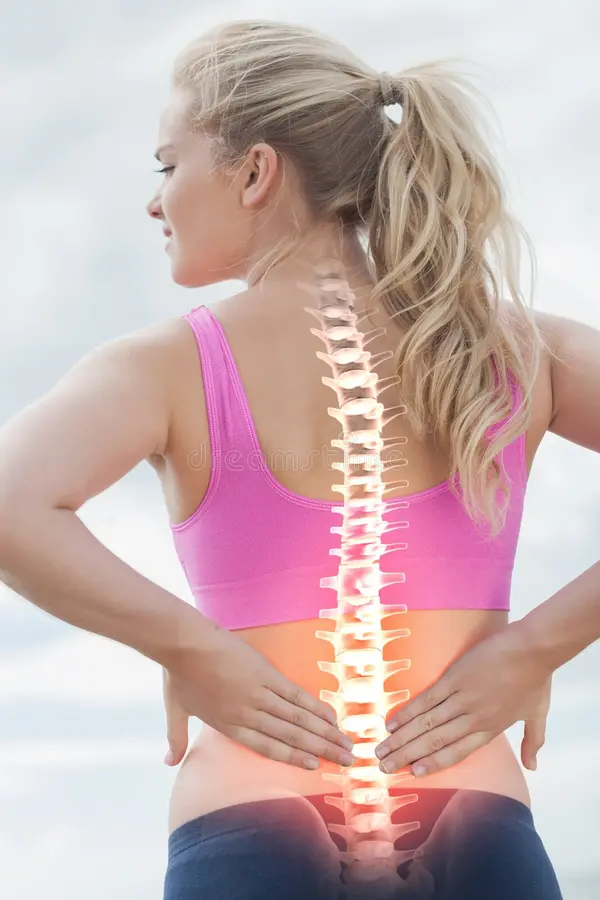
Overview: The lumbar spine supports most of the body’s weight, making it prone to pain. Low back pain can vary from dull aches to sharp, shooting sensations that affect mobility.
Symptoms: Common symptoms include pain in the lower back, difficulty standing or moving, and sometimes numbness or tingling in the legs. In severe cases, muscle weakness or loss of bladder control may occur.
Causes: Low back pain can result from muscle strain, poor posture, or injury. Conditions like herniated discs, arthritis, or spinal stenosis can also contribute to pain.
Diagnosis: A physical examination and imaging tests such as X-rays or MRIs help identify the exact cause of pain and determine the best treatment plan.
Treatment: Treatment includes physiotherapy, pain medications, and lifestyle changes. For severe cases, surgery may be considered, though it's typically a last resort.
Book AppointmentNack Pain
Overview:Neck Pain occurs due to issues in the bones, muscles, nerves, and joints, often leading to discomfort in the head, shoulders, and arms.
Symptoms: Pain, stiffness, muscle tightness, headaches, and numbness or tingling sensations.
Causes: Poor posture, aging (arthritis), herniated discs, injuries (e.g., accidents), or underlying diseases like autoimmune disorders.
Diagnosis: Includes physical exams, X-rays, CT scans, and MRIs to detect the extent of damage and underlying causes.
Treatment: Can involve medications, physiotherapy, posture correction, cold/heat therapy, and in rare cases, surgery for nerve or spinal compression.
Book Appointment
Sciatica
Overview:Sciatica is nerve pain caused by injury or irritation to the sciatic nerve, which originates in the gluteal area. It usually describes pain starting in the lower back and radiating down the leg. The sciatic nerve, the longest in the body, runs from the hips down each leg, branching into nerves reaching the foot and toes.
Symptoms of Sciatica Sciatica typically causes pain radiating from the lower spine to the buttock and down the leg. Symptoms may include muscle weakness, numbness, or tingling in the leg, ranging from mild discomfort to sharp, electric-shock-like pain, often worsening with movement. Severe cases may involve loss of movement or bladder control.
Causes of Sciatica: Sciatica can be caused by various conditions:
Herniated Disc: The most common cause, where intervertebral discs bulge or rupture, compressing the sciatic nerve.
Spinal Stenosis: Age-related narrowing of nerve passageways pinches the sciatic nerve roots.
Spondylolisthesis: Misaligned vertebrae narrow nerve openings, pinching the sciatic nerve.
Bony Spurs: Inflammation over time forms protrusions that can compress nerves in the lower back.
Trauma: Spine injuries may damage or pinch the sciatic nerve.
Cauda Equina Syndrome: A rare, serious condition affecting the spinal cord’s nerve bundle, causing leg pain and loss of bladder control.
Diagnosis: Sciatica diagnosis involves medical history, physical examination, and possibly imaging, such as X-rays, CT scans, or MRIs, to detect degenerative changes or nerve impingement.
Treatment: Treatment focuses on reducing pain and improving mobility. Many cases improve with self-care, such as hot/cold compresses, OTC pain relief, and stretches. Further treatments may include physiotherapy, steroids, or postural adjustments. Severe cases may require surgery, often minimally invasive.
Book Appointment